

Every human life begins with a flash of light. At the moment of fertilization, the egg releases billions of zinc atoms in a burst researchers call the zinc spark. That spark marks the transition from egg to zygote — a single cell that now carries a complete, brand-new genome. But a genome is only a set of instructions. What decides which instructions get read, when, and in which cells is a chemical system called methylation. And methylation runs on two nutrients a mother supplies: folate and vitamin B12.

This is why we formulated the Genetic Protocol prenatal around the active forms of both, why we ask women to start it well before conception and continue through breastfeeding, and why we use nutrigenetic testing to prepare the body for a healthy zinc spark zygote and baby.
What Methylation Actually Does
Methylation is the transfer of a single carbon unit — a methyl group (CH3) — from one molecule to another. In the cell, that methyl group is carried by S-adenosylmethionine (SAMe), the universal methyl donor. SAMe methylates DNA, histones, neurotransmitters, phospholipids for cell membranes, and creatine for cellular energy.
The supply chain looks like this. Dietary folate is converted to 5-methyltetrahydrofolate (5-MTHF, or methylfolate) by the enzyme MTHFR. Methylfolate hands its methyl group to homocysteine through the enzyme methionine synthase, which cannot function without vitamin B12 as its cofactor. Homocysteine becomes methionine, methionine becomes SAMe, and SAMe methylates the genome. The same cycle also feeds the production of nucleotides — the raw building blocks of new DNA.
Simply stated: folate supplies the methyl group, B12 delivers it, and the embryo uses it to build and program every new cell.
Methylation From Zygote to Embryo to Fetus

The zygote. Immediately after the zinc spark, the zygote performs one of the most dramatic events in biology: it erases most of the methylation marks inherited from the egg and sperm. The paternal genome is actively demethylated within hours by TET3 enzymes; the maternal genome is passively diluted over the first cell divisions. Imprinted genes — the small set of genes that must remember which parent they came from — are deliberately protected from this erasure. That protection itself depends on adequate methyl supply.
The early embryo. Around implantation, the embryo rewrites its methylation landscape from a near-blank slate. The enzymes DNMT3A and DNMT3B lay down new methylation patterns that determine which cells become placenta, which become the inner cell mass, and ultimately which become brain, heart, liver, and gut. This is the period when the methyl budget matters most, because the embryo is building an epigenetic program that will be copied into trillions of cells.
Neural tube closure. The neural tube — the structure that becomes the brain and spinal cord — closes between days 21 and 28 after conception. Many women do not yet know they are pregnant. Low folate status during this window is the best-established nutritional risk factor for neural tube defects such as spina bifida.
The fetus. Through the second and third trimesters, rapid cell division demands a constant supply of nucleotides and methyl groups. Methylation regulates placental growth, fetal brain development, myelination, and the expression of genes that set lifelong metabolic tone. Elevated maternal homocysteine — the signature of an under-supplied methylation cycle — is associated with placental complications, including preeclampsia and fetal growth restriction.
Why Methylfolate Instead of Folic Acid
Folic acid is a synthetic, oxidized form of folate. To become useful, it must be reduced by the enzyme DHFR — which is slow in humans — and then converted by MTHFR into methylfolate. Many women carry common variants in the MTHFR gene. The C677T variant reduces enzyme activity by roughly 30% in one copy and up to 65–70% in two copies. For these women, a large dose of folic acid can leave unmetabolized folic acid circulating while the cell still runs short on usable methyl groups.
Methylfolate bypasses both bottlenecks. It is the form that crosses the placenta, the form found in circulation, and the form methionine synthase actually uses.
Why B12 Is the Non-Negotiable Partner
Folate and B12 cannot be separated. Without B12, methylfolate becomes stranded — the so-called methylfolate trap — and the cell cannot regenerate its folate pool or make SAMe, no matter how much folate is on board. B12 deficiency during pregnancy is associated with elevated homocysteine and neural tube defects independent of folate status.
B12 comes almost exclusively from animal foods: beef, lamb, liver, eggs, sardines, salmon, and shellfish. Women at higher risk of low B12 include those who eat little animal protein, those on metformin or acid-suppressing medications, and those carrying variants in absorption and transport genes such as FUT2 and TCN2.
Why Start Before Pregnancy

The egg that will be ovulated spends roughly three months in its final growth phase. During that time it is stocking the zinc, mitochondria, and methylation machinery it will need at fertilization. Red blood cell folate — the best measure of tissue stores — takes weeks to months to build. And the neural tube closes before most pregnancy tests turn positive.
Waiting for a positive test means the most methyl-dependent events of development have already begun. Starting a prenatal with methylfolate and B12 at least three months before conception means the methylation system is fully stocked before the zinc spark ever fires.
Why Continue Through Breastfeeding
Breast milk B12 reflects the mother's own B12 status. An infant born with low stores and fed by a mother with low B12 can develop deficiency in the first months of life, with effects on growth, muscle tone, and neurological development. Folate is also concentrated in milk, often at the expense of the mother's own reserves. Pregnancy and lactation together draw down maternal methyl stores, which is one reason postpartum depletion is so common. Continuing the prenatal protects both the baby's developing brain and the mother's recovery.
Our Prenatal: Built on the Active Forms
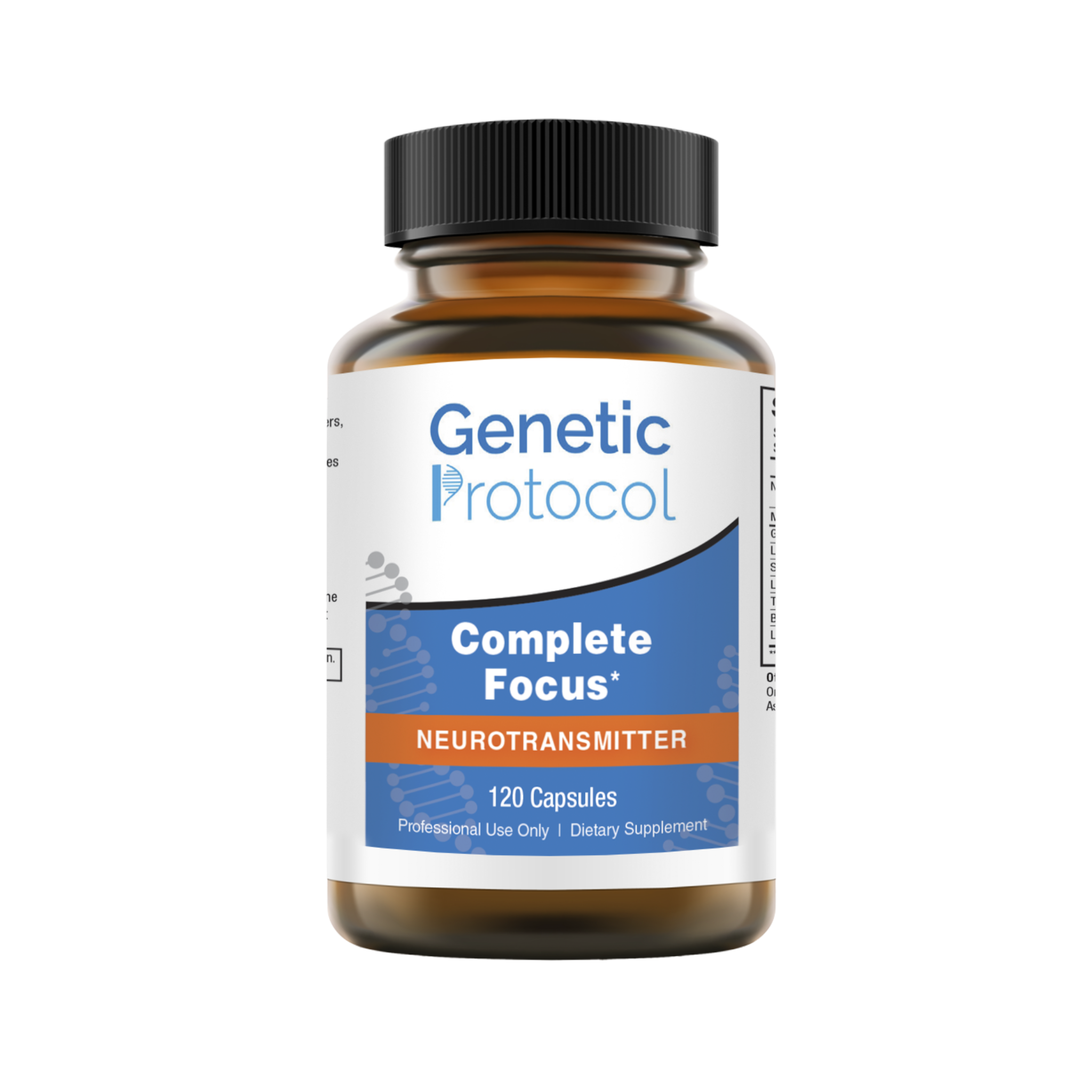
The Genetic Protocol prenatal is formulated with methylfolate (5-MTHF) rather than folic acid, paired with B12 [insert form, e.g., methylcobalamin] [insert doses], so the methylation cycle is supplied in the forms the body uses directly — regardless of MTHFR status.
Why We Use Nutrigenetic Testing
Nutrigenetics is the study of how your genes interact with the nutrients you eat. Your DNA is the instruction manual; food is the information your body reads against it. The same nutrient can be used efficiently by one woman and poorly by another, depending on the enzymes her genes encode. This is precision medicine applied to pregnancy: care built around the individual instead of an average.
Two women can eat the same diet and take the same prenatal and still have very different methylation capacity. Nutrigenetic testing shows us where each woman's system is strong and where it needs support before conception. Through Hunt Nutrigenetics, we look at genes that govern:
- Folate conversion — MTHFR, which determines how efficiently folate becomes methylfolate
- B12 recycling and transport — MTR, MTRR, FUT2, and TCN2
- Backup methylation pathways — BHMT and PEMT, which depend on choline and betaine from eggs and liver
- Methyl demand — COMT and other genes that consume SAMe
With those results, we tailor dosing, food choices, and timing so that the egg, the sperm, and the mother's tissues are prepared for a healthy zinc spark — and for the cascade of methylation that follows it.
For a deeper introduction, read Unlocking the Secrets of Your DNA: The Nutrigenetics Revolution.
How Your Results Shape Your Preconception Plan
A nutrigenetic report is only useful if it changes what you do. For a woman preparing for pregnancy, results can guide:
- Folate form and amount — Women with reduced MTHFR activity are matched to methylfolate rather than folic acid, at a dose set with their physician.
- B12 support — Variants in absorption and recycling genes flag women who may need closer attention to B12 intake and blood levels before conception.
- Choline from food — PEMT and BHMT variants raise the importance of choline-rich animal foods such as eggs and liver, which feed the backup methylation pathway and support fetal brain development.
- Lab monitoring — Results help decide which markers to follow, such as homocysteine, red blood cell folate, and B12 status, so the plan is confirmed by data rather than assumed.
- Timing — Knowing where the bottlenecks are lets us start support in the months before conception, while the egg is maturing, instead of after a positive test.
Genetics is not destiny, and no test or diet can guarantee a perfect pregnancy. What testing provides is a map: it shows where a woman's methylation system is likely to need support, so we can prepare it before the zinc spark instead of guessing afterward.
Get Started With Genetic Protocol™
If you are planning a pregnancy in the next year, now is the time to prepare. Through Genetic Protocol™, Dr. Courtney Hunt creates a personalized preconception plan built on your nutrigenetic results, your labs, and the prenatal formulated for active methylation.
Email info@geneticprotocol.com to schedule a consultation, or shop the Genetic Protocol prenatal.
The Bottom Line
The zinc spark lights the zygote. Methylation writes its program. A mother who supplies methylfolate and B12 before conception, through pregnancy, and during breastfeeding is giving her baby the raw material for every epigenetic instruction it will carry for life.
Energy over inflammation is the basic equation.
© Courtney Hunt, MD, 2026
About the Author
Courtney Hunt, MD, FACOG, is a board-certified obstetrician-gynecologist whose work connects mitochondria, light, DNA, and the zinc spark at fertilization. She is the author of Your Spark is Light: The Quantum Mechanics of Human Creation (2021) and the founder of Genetic Protocol and Hunt Nutrigenetics.
Get your free copy of Your Spark is Light: The Quantum Mechanics of Human Creation — https://www.courtneyhuntmd.com/your-spark-is-light
Continue the fertilization series:
- The Smallest Cell Meets the Largest: Sperm, Egg, Mitochondria, and the Zinc Spark
- Izumo1 and JUNO: How Sperm Finds, Docks, and Fuses With the Egg
This article is for educational purposes and is not a substitute for individual medical advice. Talk with your physician before starting or changing supplements during preconception, pregnancy, or breastfeeding.

Leave a comment
This site is protected by hCaptcha and the hCaptcha Privacy Policy and Terms of Service apply.